
Image SEO for Multimodal AI: The Future of Visual Search Optimization
Search is no longer just about text.
AI now sees, <strong>understands, and connects images with words, context, and intent.
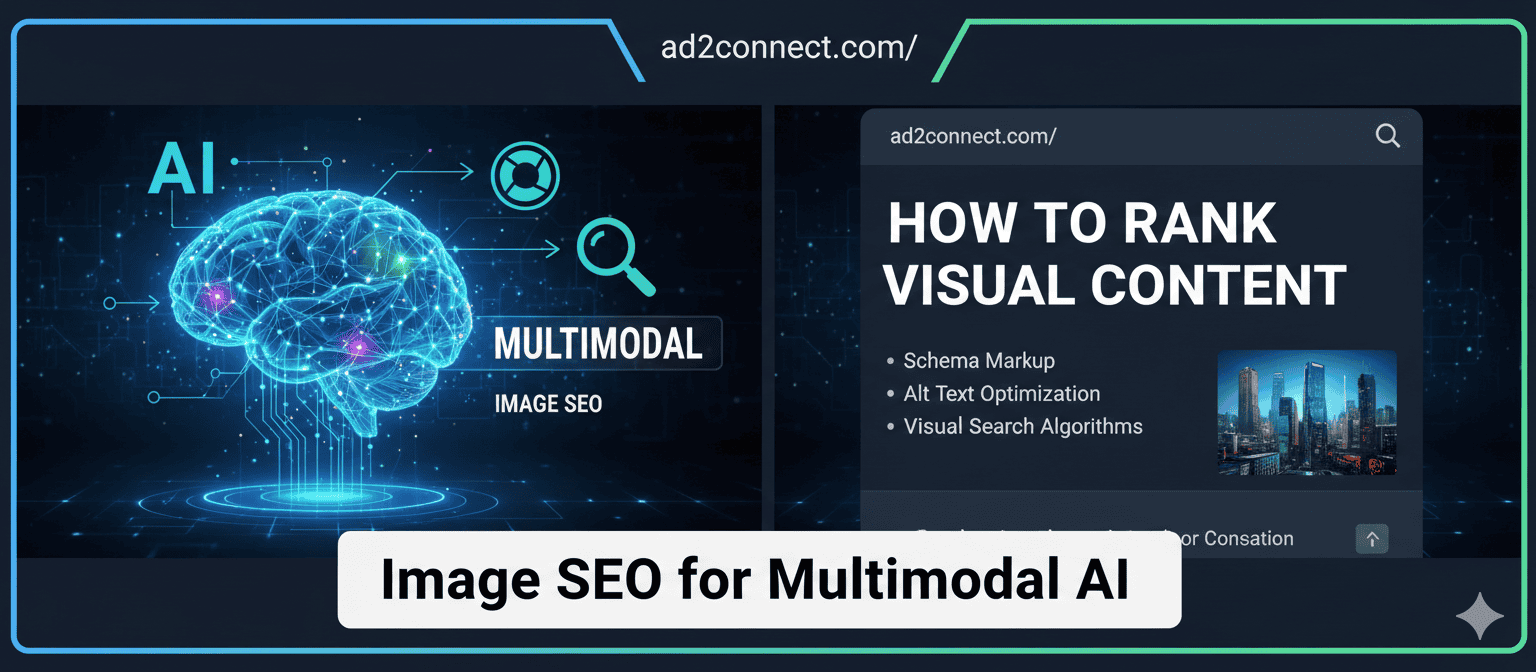
Image SEO for multimodal AI is the practice of optimizing visual content so search engines and AI systems can accurately interpret, rank, and surface it across text, image, and voice-based experiences.
In this guide, you’ll learn how image SEO works in the age of multimodal AI, why it matters for brands in competitive markets like Mumbai, and how to optimize images for Google Search, SGE, and AI Overviews—without relying on shortcuts.
What Is Image SEO for Multimodal AI?
Answer first: Image SEO for multimodal AI ensures images are machine-readable, contextually relevant, and trusted so AI models can combine visuals with text to answer user queries accurately.
Unlike traditional image SEO, multimodal optimization focuses on how AI systems interpret:
- Visual elements (objects, scenes, text in images)
- Surrounding content and page context
- User intent and behavior signals
- Brand and location relevance
For businesses in Mumbai and across India, this means images can directly influence:
- Local search visibility
- AI-generated summaries
- Voice and visual search results
Images now act as information sources, not just design assets.
Why Multimodal AI Has Changed Image SEO Forever
Google and other AI-driven search engines no longer analyze content in silos. They combine text, images, entities, and user behavior into a single understanding layer.
According to Search Engine Land, multimodal AI systems evaluate how images support meaning, credibility, and relevance—not just keywords or filenames.
What AI Looks for in Optimized Images
- Clear topical relevance to the page
- Accurate alt text aligned with search intent
- Consistent branding and visual quality
- Strong engagement signals (scroll depth, time on page)
- Technical accessibility and fast loading
If images don’t reinforce the main topic, AI may ignore them—or downgrade the page.
How to Optimize Images for Multimodal AI Search
Use Context-Rich Alt Text (Not Keyword Stuffing)
Alt text should describe what the image shows and why it matters.
Bad example: “image seo services mumbai best agency”
Better example: “Diagram showing how multimodal AI analyzes images and text together for search results”
- Improves accessibility (WCAG compliance)
- Enhances AI comprehension
- Boosts image and page-level relevance
Match Images With Page Intent
Every image should support the primary search intent.
Ask:
- Does this image explain, demonstrate, or clarify?
- Would removing it reduce understanding?
For informational blogs, diagrams, screenshots, and annotated visuals perform better than generic stock photos.
Optimize Image Metadata & Technical Signals
- Descriptive file names (e.g., image-seo-multimodal-ai-diagram.webp)
- Modern formats (WebP, AVIF)
- Proper image dimensions
- Lazy loading for performance
- Responsive images for mobile users in high-density cities like Mumbai
Speed and UX directly impact how AI evaluates content quality.
Building Trust Signals for Image SEO (E-E-A-T)
-
- Use original visuals instead of reused stock images
- Add captions that explain insights or data
- Reference credible sources near images
- Maintain consistent branding across visuals
- Show real-world experience (process images, dashboards, results)
Best Practices for Local & Voice-Driven Image SEO
For local businesses and agencies in Mumbai, multimodal image SEO supports:
-
-
- “Near me” searches
- Voice queries
- AI-powered local recommendations
-
Practical Local Optimization Tips
-
-
- Add geo-relevant context in captions where natural
- Use real location images (office, team, local projects)
- Align images with Google Business Profile content
- Ensure mobile-first visual clarity
-
AI systems connect images with entities—including locations.
Conclusion — Optimize Images for the AI-First Search Era
Image SEO for multimodal AI is no longer optional.
It’s a core visibility driver in AI-powered search experiences.
Key takeaways:
-
-
- Images now influence rankings, AI summaries, and voice results
- Context, intent, and trust matter more than keywords
- Strong image SEO improves UX, CRO, and brand authority
- Local relevance amplifies discoverability in competitive markets
-
If you want your content to appear in AI Overviews, visual search, and future-ready SERPs, image optimization must be intentional—not cosmetic.