
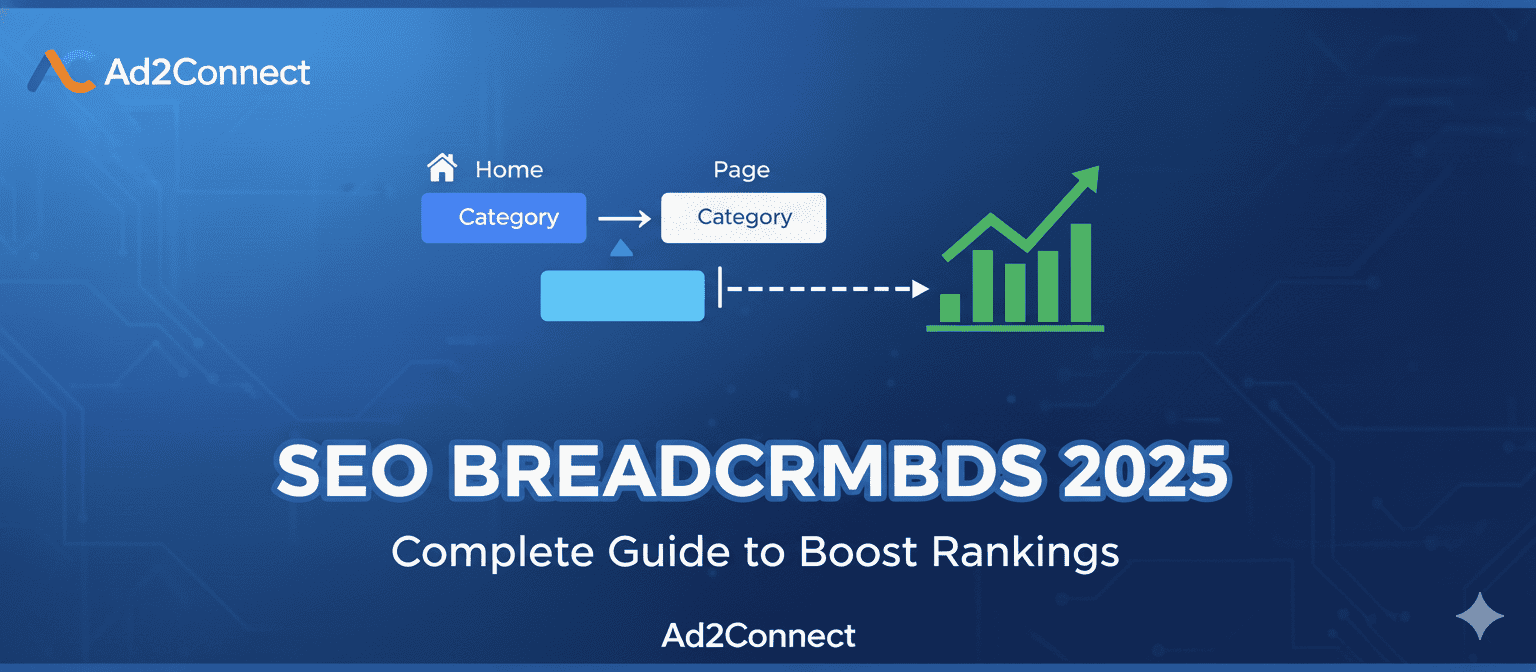
SEO Breadcrumbs 2025: Complete Guide to Boost Rankings
Navigating a website should be intuitive for users and clear for search engines. SEO breadcrumbs are essential tools that improve user experience (UX), search visibility, and AI-driven understanding.
As Google Core Updates 2023–2025 continue to prioritize structured, authoritative content, implementing breadcrumbs effectively is crucial for maintaining rankings and visibility in AI search environments.
This guide provides actionable strategies, best practices, and advanced techniques for CIO, VEO, LEO, MEO, and AIO optimization, ensuring your site performs well in both traditional and AI-powered search.
What Are SEO Breadcrumbs?
Breadcrumbs are navigational links that show users their location within a website hierarchy. For example:
Home > Blog > SEO > SEO Breadcrumbs Guide
Benefits of SEO Breadcrumbs
- Enhanced UX and Behavioral Signals (CRO): Makes navigation easier, increasing dwell time and reducing bounce rates.
- AI & Search Visibility (VEO/GEO): Helps Google AI understand your content structure, supporting rich results and generative answers.
- Internal Linking & Topical Authority (MEO/LEO): Connects related pages to strengthen SEO relevance.
- Improved Click-Through Rates (CTR): Breadcrumbs often appear in search results, enticing users to click.
Example: An e-commerce site using breadcrumbs like Home > Electronics > Laptops > Gaming Laptops clearly signals hierarchy to both users and AI systems.
Types of Breadcrumbs
1. Hierarchy-Based Breadcrumbs: Shows a page’s position within the site structure. Example: Home > Services > SEO > SEO Breadcrumbs
2. Attribute-Based Breadcrumbs: Common in e-commerce, showing product attributes. Example: Home > Men’s Shoes > Sneakers > Nike
3. History-Based Breadcrumbs: Displays the user’s navigation path in the session. Example: Previously Viewed > SEO Articles > Breadcrumb Guide
Best Practices for SEO Breadcrumbs
1. Implement Structured Data (Schema.org & JSON-LD)
Adding BreadcrumbList schema allows Google and AI systems to better understand your site hierarchy. This also supports TEO (Technical Entity Optimization) for AI-driven search visibility.
2. Keep Breadcrumbs Simple and Descriptive
- Use 3–5 hierarchy levels for clarity
- Create keyword-rich, human-readable anchor text
- Avoid duplicating main navigation links
3. Consistent Implementation Across Pages
Apply breadcrumbs consistently to blog posts, category pages, and product pages to strengthen topical authority (LEO/MEO).
4. Mobile & UX Optimization
- Ensure breadcrumbs are tappable on mobile
- Keep text short and readable
- Maintain high contrast and accessibility (WCAG-compliant)
Actionable Strategies for SEO & AI Optimization
– Audit Your Site Structure (CIO/AIO): Identify orphan pages and improve hierarchy
– Internal Linking: Connect related pages to reinforce MEO & LEO
– Entity-Rich Breadcrumbs (GEO): Help AI systems recognize page context
– Behavioral SEO (CRO): Improve dwell time, engagement, and conversion signals
– Regular Updates: Keep breadcrumbs and page hierarchy aligned with Google Core Updates
Example Approach:
For a blog post: Use Home > Blog > SEO > Breadcrumb Guide and link back to related articles. For a product page: Use Home > Electronics > Laptops > Gaming Laptops with links to category and brand pages. Include entity-rich descriptors in breadcrumb links so AI can generate accurate summaries.
Common Mistakes to Avoid
- Duplicating breadcrumb text with main navigation
- Broken or outdated links
- Overly long breadcrumb trails
- Skipping structured data/schema markup
- Ignoring mobile UX or accessibility
Conclusion
SEO breadcrumbs are more than navigation—they enhance UX, AI visibility, and search rankings. By implementing hierarchy, attribute, or history-based breadcrumbs with structured data, mobile optimization, and internal linking, you strengthen GEO, LEO, MEO, VEO, and CIO signals.