Google Discover Core Update Data Reveals Major Traffic Loss for Local Publishers
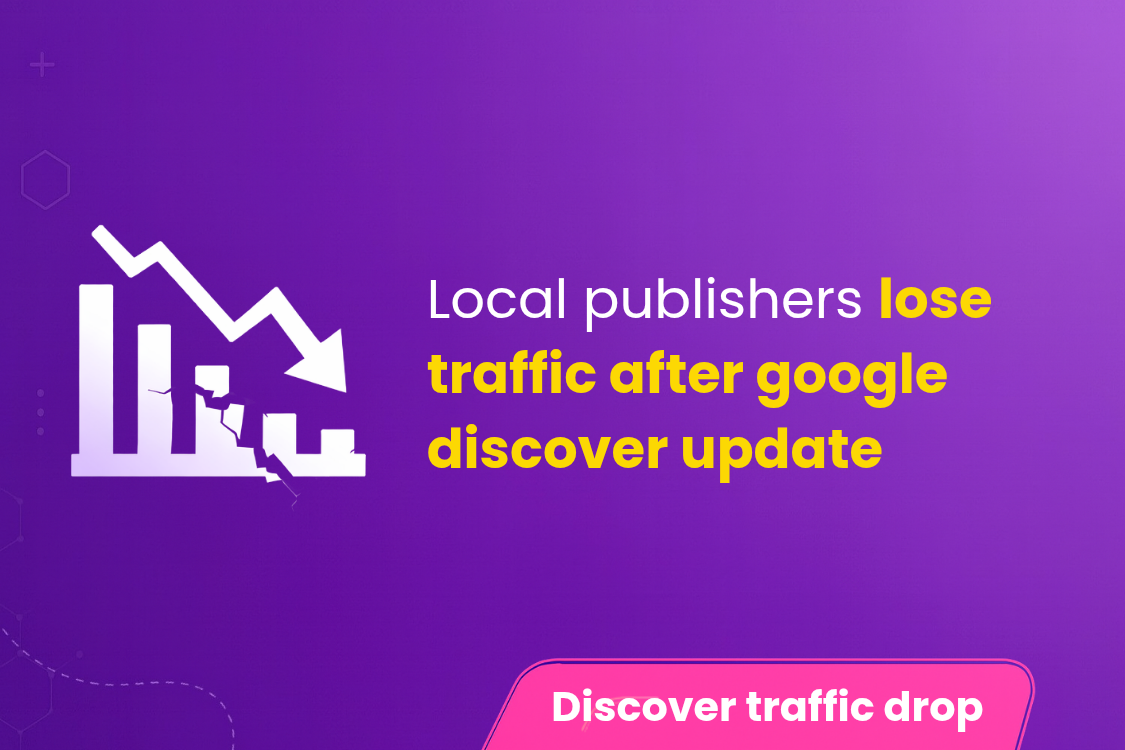
The latest Google core updates have significantly reshaped how content is distributed across Google platforms, particularly within Google Discover. According to recent Google Discover Core Update Data, many local publishers experienced a major decline in traffic and reach, raising concerns across the digital publishing industry.
Google Discover has become one of the most powerful traffic sources for news sites, blogs, and independent publishers. Unlike traditional search results, Discover shows personalized content to users based on their interests, browsing behavior, and engagement signals. Because of this algorithmic personalization, even small ranking adjustments can dramatically impact visibility.
Recent insights reveal that local publishers and smaller media outlets were disproportionately affected by the latest update, while larger national publishers continued to dominate Discover feeds. This trend suggests that Google is increasingly prioritizing content quality, authority, and user engagement metrics when selecting articles for Discover.
Understanding this shift is essential for publishers who rely on Discover traffic. In this article, we’ll examine the Google Discover Core Update Data, explore why local publishers lost reach, and provide actionable strategies to help publishers regain visibility and stabilize their traffic.
Table of Contents
- What Is Google Discover and Why It Matters
- Google Discover Core Update Data: What the Latest Findings Reveal
- Why Local Publishers Experienced Major Traffic Loss
- Key Ranking Signals Behind Google Discover Visibility
- The Real Impact on Local Publishers
- How Local Publishers Can Recover Discover Traffic
- Practical SEO Tips to Improve Discover Visibility
- Common Mistakes That Reduce Discover Reach
- Frequently Asked Questions
- Conclusion
What Is Google Discover and Why It Matters
Google Discover is a personalized content recommendation feed available on mobile devices through the Google app and Chrome browser. Instead of showing results based on search queries, Discover recommends content based on user interests and behavior.
For publishers, Discover offers a unique opportunity to reach audiences who are not actively searching for information but are open to discovering new topics.
The platform has become a significant traffic driver for many publishers, sometimes generating millions of impressions and sudden traffic spikes for well-performing content.
Key features that make Discover important include:
- Personalized content recommendations
- High potential for viral traffic
- Strong focus on user engagement
- Mobile-first content distribution
- Increased exposure for high-quality articles
However, because Discover traffic is algorithm-driven, updates to Google’s ranking systems can dramatically influence which websites receive visibility.
Google Discover Core Update Data: What the Latest Findings Reveal
Recent analysis of Google Discover Core Update Data indicates that many publishers saw significant changes in traffic patterns after the latest core update rollout.
Data trends show that local publishers experienced a noticeable drop in Discover impressions and clicks, while larger and more authoritative websites maintained stronger visibility.
Several important patterns emerged from the update.
Many publishers reported sudden drops in Discover traffic shortly after the update. In some cases, websites that previously received consistent Discover visibility lost most of their reach.
At the same time, larger media organizations continued appearing prominently in Discover feeds, suggesting that the algorithm now favors sites with stronger authority signals and higher engagement history.
These findings highlight how sensitive Discover traffic can be to algorithm updates and why publishers must focus on long-term content quality and trust signals.
Why Local Publishers Experienced Major Traffic Loss
Stronger Emphasis on E-E-A-T
Google’s evolving ranking systems increasingly prioritize Experience, Expertise, Authoritativeness, and Trustworthiness (E-E-A-T).
Websites that demonstrate clear expertise, credible authorship, and strong editorial standards are more likely to appear in Discover feeds.
Local publishers that lack visible author credentials, editorial transparency, or clear expertise signals may struggle to maintain visibility.
Increased Importance of Brand Authority
Larger media organizations often benefit from strong brand recognition and domain authority. These signals help Google determine which sources are most trustworthy.
Factors that influence authority include:
- Strong domain reputation
- High-quality backlinks
- Established brand presence
- Long publishing history
User Engagement Signals
Google Discover relies heavily on engagement metrics to determine which content should be promoted.
Important engagement signals include:
- Click-through rate
- Time spent on page
- Scroll depth
- Social sharing
- Repeat visitors
If users consistently engage more with content from larger publishers, the algorithm may prioritize those sources.
Content Saturation and Competition
The number of publishers competing for Discover visibility has grown rapidly.
As a result, Google must filter more content than ever before. Articles that lack originality, depth, or unique insights are less likely to appear in Discover feeds.
Key Ranking Signals Behind Google Discover Visibility
Although Google does not publicly disclose the complete Discover algorithm, several signals strongly influence visibility.
Content quality remains one of the most important factors. Articles that provide original insights and valuable information tend to perform better.
Topic relevance also plays a role. Discover matches content with user interests based on browsing history.
Visual appeal is another critical factor. High-quality images help attract attention and increase click-through rates.
Mobile performance is essential because Discover is primarily accessed through smartphones.
The Real Impact on Local Publishers
The drop in Discover traffic has created serious challenges for many local publishers.
Some websites rely on Discover for a large portion of their total traffic. When impressions decline, overall website visits can drop dramatically.
Lower traffic often leads to reduced advertising revenue and decreased brand visibility.
Without regular Discover exposure, publishers may also struggle to reach new audiences and grow their readership.
How Local Publishers Can Recover Discover Traffic
Although algorithm updates can disrupt traffic patterns, publishers can improve their chances of recovery by focusing on quality and credibility.
One important strategy is producing original and in-depth content rather than publishing large quantities of short articles.
Publishers should also strengthen trust signals by including:
- Author biographies
- Editorial policies
- Transparent sourcing
- Clear contact information
Another effective strategy is focusing on topics that resonate with readers, including community stories, local events, and unique perspectives.
High-quality visuals and engaging headlines can also increase Discover click-through rates.
Practical SEO Tips to Improve Discover Visibility
- Publish content consistently to maintain activity signals
- Create a mix of evergreen and trending content
- Improve page speed and Core Web Vitals
- Optimize content for mobile-first experiences
- Build topical authority in specific subject areas
- Monitor Discover performance in Google Search Console
Common Mistakes That Reduce Discover Reach
Many publishers unknowingly harm their Discover visibility by making avoidable mistakes.
- Publishing thin or low-value content
- Using misleading clickbait headlines
- Ignoring image quality
- Lack of author credibility or transparency
- Overproducing low-quality articles
A strong focus on quality, expertise, and audience engagement is essential for long-term Discover success.
Conclusion
The latest Google Discover Core Update Data reveals a major shift in how Google distributes content through its personalized feed. The findings show that local publishers experienced significant traffic losses, highlighting the increasing importance of authority, content quality, and engagement signals.
Although these changes have created challenges for smaller publishers, they also emphasize the need for stronger editorial standards and more valuable content.
Publishers who invest in original reporting, credible authorship, and engaging user experiences will have a better chance of regaining Discover visibility.
Ultimately, success in Google Discover depends on delivering trustworthy, high-quality content that truly serves readers. By focusing on expertise, transparency, and user engagement, publishers can adapt to algorithm changes and build sustainable long-term traffic growth.