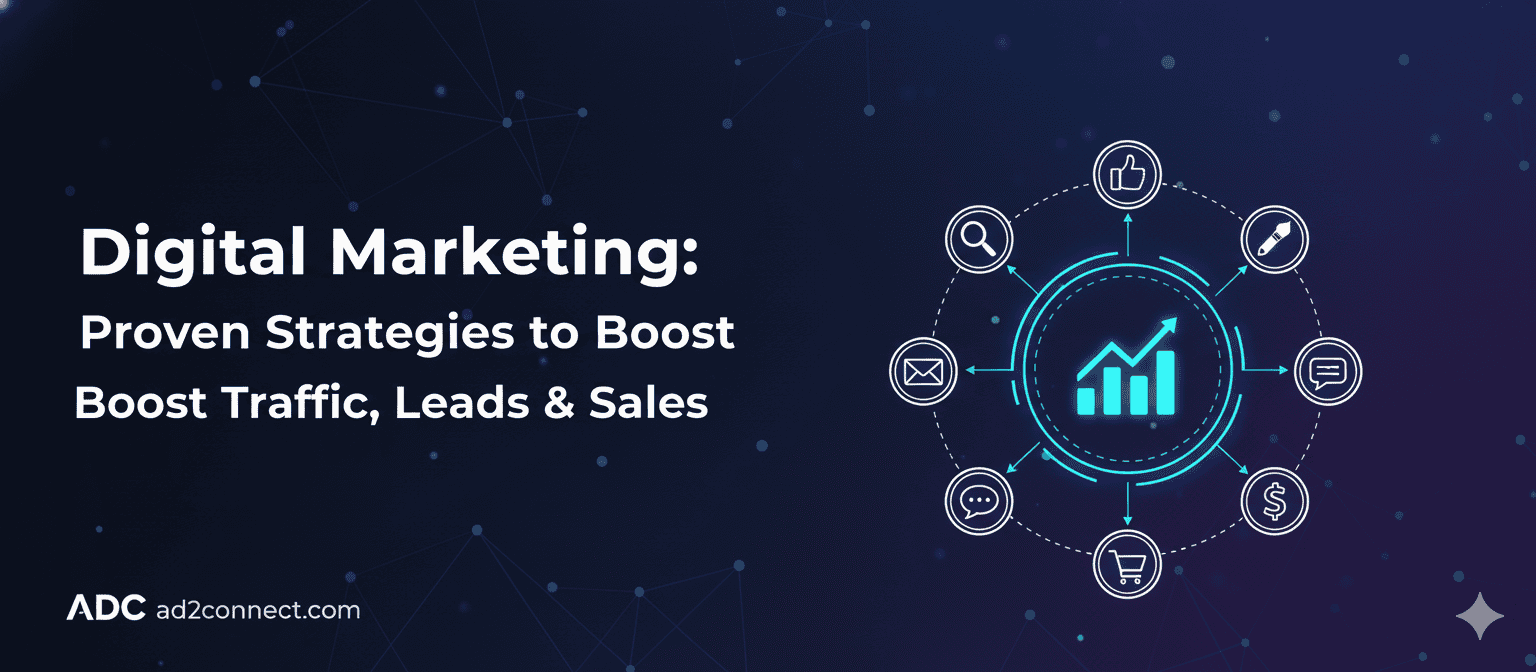
Digital Marketing: Strategies, Benefits, and How to Get Results
This guide breaks down digital marketing in a clear, actionable way. You’ll learn what it is, why it matters, the benefits it can bring, practical solutions, and expert tips you can implement immediately. Whether you’re a small business owner or a marketing professional, this guide will give you the insights needed to grow your online presence effectively.
What is Digital Marketing?
Digital marketing refers to promoting products or services using digital channels like search engines, social media, email, and websites. Unlike traditional marketing, digital marketing allows businesses to connect with customers where they spend most of their time—online.
Why Digital Marketing Matters
- Measurable Results: Track campaign performance in real-time with analytics.
- Cost-Effective: Target the right audience and reduce wasted ad spend.
- Scalable: Adjust campaigns based on performance and reach local or global audiences.
- Enhanced Engagement: Build meaningful relationships with your audience.
How Digital Marketing Works
Key components include:
- Search Engine Optimization (SEO): Improve visibility in Google and other search engines.
- Content Marketing: Educate and attract customers with blogs, videos, and guides.
- Social Media Marketing: Engage audiences on platforms like Facebook, Instagram, LinkedIn, and TikTok.
- Email Marketing: Nurture leads through targeted campaigns.
- Paid Advertising (PPC): Drive targeted traffic quickly through Google Ads or social media ads.
By combining these strategies, businesses can reach ideal customers and convert prospects into loyal clients.
Benefits and Impact of Digital Marketing
- Increased Brand Visibility: Appear in search results and social feeds when customers are looking for solutions.
- Higher Conversion Rates: Personalized campaigns lead to better engagement.
- Better ROI: Marketing spend is optimized for maximum returns.
- Data-Driven Decisions: Use analytics to refine campaigns and improve results.
- Competitive Advantage: Leverage digital tools to outperform competitors.
Example: A local retail business using SEO and Google Ads increased website traffic by 70% and boosted sales by 45% in just six months.
Digital Marketing Solutions
Professional Services
Partnering with a digital marketing agency can streamline your strategy and deliver results faster. Services include:
- Full-service SEO and content marketing
- Social media management and paid advertising
- Email marketing and automation
- Analytics tracking and conversion rate optimization
How to Get Started
- Define your target audience and business goals.
- Audit your current digital presence.
- Choose the channels most relevant to your customers.
- Create a content calendar and campaign plan.
- Track performance and optimize continuously.
Best Practices for Effective Digital Marketing
- Focus on Your Audience: Understand their pain points and deliver solutions.
- Leverage Local SEO: Optimize for “near me” searches to attract local clients.
- Optimize for Voice Search: Many users now search with natural language queries.
- Track and Analyze: Use tools like Google Analytics and SEMrush.
- Consistency Matters: Regular posting and engagement are key for long-term success.
Conclusion
Digital marketing is the backbone of modern business growth. From boosting visibility to generating leads and increasing sales, its potential is enormous. By understanding the fundamentals, leveraging the right strategies, and continuously optimizing campaigns, businesses can achieve measurable results.
Take Action Now: Start building a comprehensive digital marketing strategy and watch your business thrive. Contact our team today