Google Updates Links in AI Mode and Expands Web Guide Test: What It Means for SEO
Google is changing how users discover content—again.
With updated links in AI Mode and the Web Guide test expanding across the “All” tab, search results are becoming more guided, contextual, and intent-driven.
This update matters if your traffic depends on organic visibility, especially for brands competing in crowded local markets like Mumbai.
In this blog, we break down what changed, why it matters, and how businesses can adapt their SEO strategy for AI-powered search experiences.
What Are Google’s Link Updates in AI Mode?
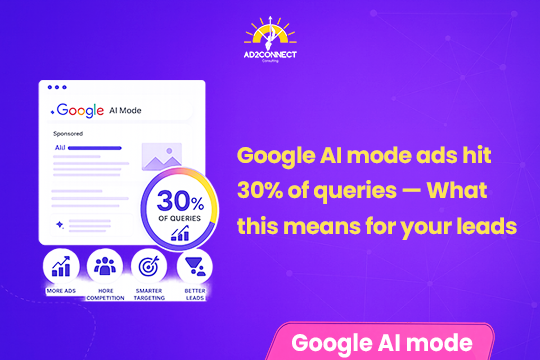
Google’s AI Mode now surfaces clearer, more context-aware links directly inside AI-generated responses.
Instead of showing long lists of blue links, Google uses AI to:
- Summarize answers clearly
- Provide source-backed links
- Guide users to deeper content when needed
Why Google made this change
Google aims to improve:
- User experience (UXO)
- Search satisfaction
- Trust, accuracy, and credibility (E-E-A-T)
For publishers and businesses, links are no longer just ranked—they’re recommended by AI.
Local SEO impact (Mumbai context)
For Mumbai-based businesses, this shift means:
- Local expertise signals matter more
- Contextual relevance beats keyword stuffing
- Brand mentions and authority influence visibility
AI Mode favors content that feels helpful, credible, and locally grounded.
What Is the Web Guide Test and Why Its Expansion Matters
The Web Guide organizes search results into themed sections instead of a flat list.
Now that Google is testing this inside the “All” tab, more users will see grouped, AI-curated results by default.
What this means for SEO
Web Guide prioritizes:
- Clear topical structure
- Strong internal linking
- Entity-based content (people, places, brands)
If your content is scattered or shallow, it may get buried—even if rankings look stable.
Practical example
A query like “impact of Google AI Mode on SEO” may now show:
- An AI-generated overview
- A “Best explanations” section
- A “Publisher insights” section
Only well-structured, authoritative content earns placement.
Key Concerns Publishers and Brands Are Asking
Will AI Mode reduce website traffic?
Not necessarily. It changes how traffic arrives, not whether it arrives.
AI Mode rewards:
- Clear answers
- Scannable content
- Trustworthy sources
If your page solves the query better than competitors, AI links can drive high-intent clicks.
Is traditional SEO still relevant?
Yes—but it’s evolving.
Core fundamentals still apply:
- Helpful, people-first content
- Strong technical SEO
- Page experience and accessibility
- Backlinks from trusted sources
The difference is how Google evaluates usefulness at scale using AI.
Authoritative references
These changes align with guidance from:
- Google Search Central
- Google Helpful Content System
- 2023–2025 Google Core Updates
Industry analysis from Search Engine Land confirms this shift toward AI-led discovery.
Best Practices to Stay Visible in AI-Powered Search
To align with AI Mode and the Web Guide:
- Write answer-first content
- Use clear H2 and H3 subheadings
- Strengthen internal links across related topics
- Show real expertise and experience
- Add local relevance where applicable
- Optimize formatting for accessibility (WCAG-friendly)
Pro tip: Content that reads well on mobile and sounds natural performs better in AI summaries.
Conclusion — Adapt Now or Lose Visibility
Google’s updates to AI Mode links and the Web Guide test send one clear message:
Search is no longer about ranking pages—it’s about guiding users.
Brands that invest in:
- High-quality, helpful content
- Clear topical authority
- User-first SEO strategies
will benefit most from AI-powered discovery.