
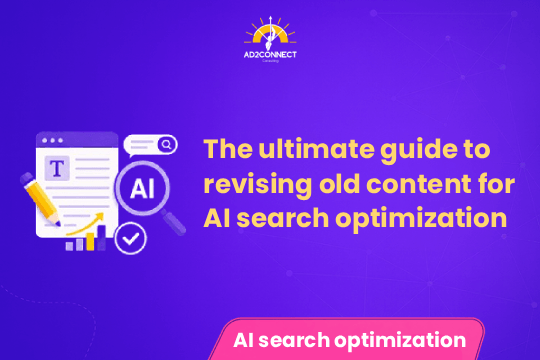
The Ultimate Guide to Revising Old Content for AI Search Optimization
Search engines are evolving quickly with the integration of artificial intelligence into search results. Modern search systems analyze context, user intent, and content quality more deeply than ever before. Because of these changes, AI search optimization has become an essential part of modern SEO strategies.
Many businesses invest significant time in creating new content but often overlook the value of updating existing pages. Revising old content can dramatically improve search visibility, especially when those pages already have authority, backlinks, and search history.
Older content may contain outdated information, missing keywords, or weak structure that prevents it from performing well in AI-powered search results. By updating and optimizing this content, businesses can align it with modern algorithms, improve user experience, and strengthen topical authority.
This guide explains how to revise old content for AI search optimization, why content updates are important, and the steps you can take to improve your website’s performance in AI-driven search.
Why Updating Old Content Matters for AI Search
Updating existing content is one of the most effective SEO strategies today. As search engines evolve, older pages may lose rankings because they contain outdated information or fail to match current search intent.
Refreshing old content allows you to maintain the authority already built by the page. Instead of starting from scratch with new articles, you can strengthen pages that already have backlinks and search visibility.
- Improves search rankings
- Refreshes outdated information
- Strengthens topical authority
- Increases chances of appearing in AI-generated answers
Consistent updates signal to search engines that your website provides relevant and trustworthy information.
Understanding How AI Search Systems Evaluate Content
AI-powered search systems analyze web content differently compared to traditional keyword-focused algorithms. These systems evaluate the context and meaning behind information instead of simply matching keywords.
Key factors considered by AI search systems include:
- Content relevance and depth
- Clarity of explanations
- Authority and expertise
- Content structure and readability
- User intent satisfaction
Content that clearly answers questions and provides useful insights is more likely to appear in AI-generated summaries and featured search results.
How to Identify Content That Needs Updating
Not every page requires an update. The first step is identifying which content has the highest potential for improvement.
Analyze Performance Data
Review analytics to find pages that previously ranked well but have experienced declining traffic.
Look for High-Impression Pages
Pages that receive many impressions but few clicks may benefit from improved titles, descriptions, and content structure.
Check for Outdated Information
Articles referencing old tools, statistics, or trends should be updated to maintain credibility and relevance.
Step-by-Step Process to Revise Old Content
1. Conduct a Content Audit
Evaluate the current article to identify outdated sections, missing information, and structural issues.
2. Update the Information
Replace old statistics, examples, and insights with updated and accurate information.
3. Improve Keyword Optimization
Ensure the article naturally includes the AI search optimization keyword along with related semantic keywords.
4. Expand the Content
Many older articles lack depth. Add new sections, explanations, and practical insights to provide greater value.
5. Optimize Headings and Structure
Use clear headings and logical sections to make the article easier for readers and search engines to understand.
Improving Content Structure for AI Search
Content structure plays an important role in how AI systems interpret information. Well-structured content improves readability and increases the chances of appearing in featured answers.
- Use short paragraphs
- Add clear headings and subheadings
- Organize information with bullet points
- Ensure logical content flow
These improvements help search engines identify key information while enhancing the user experience.
Strengthening Expertise and Authority Signals
Search engines evaluate content using principles such as expertise, authoritativeness, and trustworthiness. Updating older content provides an opportunity to strengthen these signals.
You can improve authority by adding deeper explanations, practical insights, and updated research related to the topic. Content that demonstrates real expertise is more likely to rank well and earn user trust.
Practical Tips and Best Practices
- Focus on answering user questions clearly.
- Use natural and conversational language.
- Update important articles regularly.
- Expand content to provide deeper insights.
- Prioritize user experience over keyword density.
Content that provides genuine value to readers performs better in both traditional and AI-driven search results.
Common Mistakes to Avoid
- Changing the publication date without improving the content
- Overusing keywords
- Deleting old content instead of improving it
- Ignoring search intent
- Publishing shallow or incomplete updates
Avoiding these mistakes will significantly improve the effectiveness of your content optimization efforts.
Conclusion
Artificial intelligence is transforming how search engines evaluate and display content. To remain competitive, websites must focus on AI search optimization and continuously improve their existing content.
Revising older articles helps maintain relevance, strengthen authority, and align content with modern search algorithms. By updating outdated information, improving structure, and expanding depth, businesses can significantly increase their chances of ranking in AI-powered search results.
Rather than constantly creating new content, organizations should focus on maximizing the value of their existing content library. Consistent updates and optimization will ensure long-term success in an evolving search landscape.