
How to Optimize for AI Search Like Traditional SEO: Google’s Insights
Why AI Search Optimization Matters
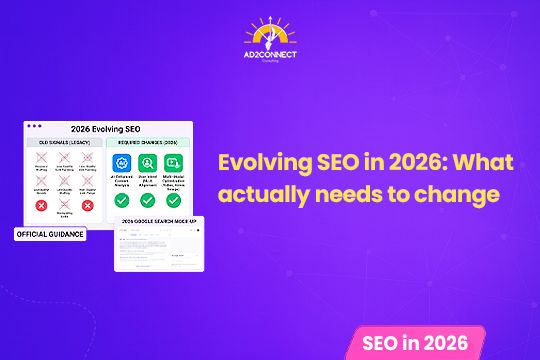
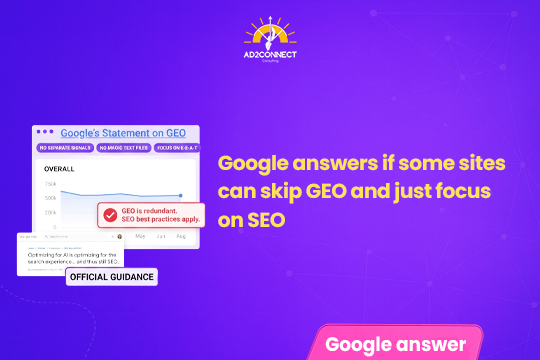
AI-driven search is rapidly changing how people discover information online. Many marketers assume that AI search requires a completely new strategy—but Google confirms that optimizing for AI search is essentially the same as traditional SEO.
Understanding this is critical for businesses, especially those in competitive markets like Mumbai. By focusing on quality content, semantic relevance, technical SEO, and user experience, you can ensure your content ranks well for both AI and traditional search queries.
1. Google’s Take on AI Search and SEO
AI Search Isn’t a Brand-New Game
Google emphasizes that AI search still values the same SEO fundamentals:
- Content relevance to user queries
- Authoritative, high-quality content
- Structured content with headings, lists, and examples
- Technical SEO: site speed, mobile-friendliness, schema
Focus on User Intent
AI search excels at interpreting natural language queries, making it more important than ever to:
- Target informational, transactional, and navigational queries
- Write conversational and human-friendly content
- Use semantic SEO, including LSI keywords like AI-powered search optimization, future SEO trends, and AI search ranking strategies
Example: If a user searches “how to optimize content for AI search,” your content should include actionable steps, tools, and examples—not just repeated keywords.
2. Key Areas to Optimize AI Search Using Traditional SEO
2.1 High-Quality Content Creation
- Focus on research-backed, actionable content
- Use tables, numbered lists, and bullet points for readability
- Ensure accessibility (WCAG) and alt text for images
2.2 Semantic SEO & Topic Clusters
- Use related keywords and entities to enhance context
- Organize content into topic clusters with internal links
- Example Cluster: “AI SEO Techniques” ? link to keyword research, technical SEO, and content optimization articles
2.3 Technical SEO Matters
- Optimize page speed, mobile UX, and structured data
- Implement canonical URLs, meta tags, and FAQ schema for AI comprehension
2.4 UX, Engagement & CRO
- Interactive elements (quizzes, tables, charts) enhance engagement
- Clear CTAs, navigation, and internal linking reduce bounce rate
- Monitor behavioral signals like session duration and click-through rates
3. Actionable Tips & Strategies
| Strategy | Description | Tools / Implementation |
|---|---|---|
| Content Audit | Identify gaps in AI-relevant content | Screaming Frog, SEMrush |
| Readability | Use short paragraphs, headings, and lists | Hemingway, Grammarly |
| Featured Snippets | Optimize answers for quick AI extraction | Structured data, FAQs |
| Local SEO | Target Mumbai-specific queries for local businesses | Google My Business, Geo-targeted keywords |
| Semantic Enrichment | Add LSI keywords and entity mentions | SurferSEO, Clearscope |
| AIO / VEO / CRO / SMO | Integrate AI Optimization, Video SEO, Conversion Rate Optimization, Social Media Optimization | HubSpot, Google Analytics, Canva |
Example: A Mumbai-based digital marketing agency could add case studies, FAQs, and local keywords to improve AI search visibility.
Conclusion: AI Search is SEO Evolved, Not New
Google confirms that AI search optimization relies on the same core SEO principles as traditional search. By focusing on:
- High-quality content
- Semantic relevance
- Technical SEO
- User engagement
…businesses can rank effectively for both AI and traditional queries.