Google: Frequent Crawling Is a Good Sign for Your Website
Search engines rely on automated systems to discover and understand content across the web. One of the most important processes behind search visibility is crawling.
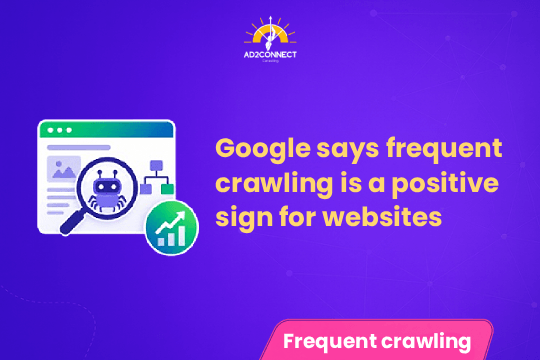
Google recently updated its help documentation explaining how its crawling systems work and clarified an important insight: frequent crawling is usually a good sign for your website.
When Googlebot revisits your pages regularly, it often indicates that your site contains fresh, valuable, and relevant content. Understanding how crawling works can help improve your website’s indexing, rankings, and overall SEO performance.
What Is Google Crawling?
Google crawling is the process where automated bots, known as Googlebot, visit web pages to analyze their content.
The information collected helps Google determine whether the page should be added to its search index.
The Basic Search Process
- Discovery – Google finds pages through links or sitemaps.
- Crawling – Googlebot visits and analyzes the page.
- Indexing – The page is stored in Google’s index.
If a page is not crawled, it cannot appear in Google search results.
Key Takeaways From Google’s New Help Document
Google’s updated documentation provides several insights about crawling.
- Google uses multiple crawlers for different purposes
- Crawlers revisit websites regularly to detect updates
- Website owners can control crawling using robots.txt
- Frequent crawling usually indicates strong content demand
This clarification helps address a common SEO myth that high crawl activity is harmful. In reality, frequent crawling often signals a healthy website.
Why Frequent Crawling Is a Positive Signal
Frequent crawling usually reflects an active and authoritative website.
1. Content Freshness
Websites that update content regularly encourage Googlebot to revisit more often.
Examples include:
- News websites
- Blogs
- E-commerce stores
- Software documentation sites
2. High User Demand
If many users search for information related to your website, Google may increase crawl frequency to ensure search results remain updated.
3. Strong Website Authority
Authoritative websites often experience higher crawl rates due to:
- Quality backlinks
- Strong internal linking
- High engagement
Crawl Frequency vs Crawl Budget
| Factor | Crawl Frequency | Crawl Budget |
|---|---|---|
| Definition | How often Googlebot visits pages | Maximum pages Google crawls |
| Main Influence | Content freshness and demand | Site size and server capacity |
| Impact | Indicates updates and popularity | Affects large websites |
For most small and medium websites, crawl budget is rarely a major concern.
How to Increase Google Crawl Frequency
1. Publish Content Consistently
Regularly updating your website encourages Googlebot to revisit it frequently.
Effective content types include:
- Blog posts
- Industry updates
- Tutorials and guides
- Product updates
2. Improve Internal Linking
Internal links help search engines discover new pages quickly.
Example structure:
Homepage ? Category ? Article ? Related Content
3. Optimize XML Sitemaps
- Submit sitemap through Google Search Console
- Update sitemap when new pages are published
- Remove outdated URLs
4. Improve Website Speed
Faster websites allow Googlebot to crawl more pages efficiently.
- Optimize images
- Improve server response time
- Minimize JavaScript
5. Fix Technical SEO Errors
Technical issues can reduce crawl efficiency.
- Broken links
- Duplicate URLs
- Redirect chains
- Parameter loops
Technical SEO Checklist
- Maintain a clean URL structure
- Fix broken internal links
- Avoid orphan pages
- Optimize website speed
- Update XML sitemaps
- Monitor crawl stats
Monitoring Crawl Activity
Google Search Console provides crawl data that helps website owners understand how often Google visits their site.
Key metrics include:
- Total crawl requests
- Average response time
- Total download size
A sudden drop in crawl activity may indicate technical issues or reduced search demand.
Local SEO and GEO Considerations
Businesses targeting specific locations may see frequent crawling of location pages.
For example, companies targeting cities such as:
- Mumbai
- London
- New York
may experience increased crawling on:
- Local landing pages
- Service area pages
- Regional blog posts
Conclusion
Google’s updated documentation confirms that frequent crawling is generally a positive signal for websites.
When Googlebot revisits your pages regularly, it usually indicates:
- Fresh and valuable content
- Strong website authority
- High user demand
Instead of worrying about crawl activity, website owners should focus on building high-quality content and strong technical SEO foundations.
Use Google Search Console to monitor crawl activity and ensure your website remains optimized for both search engines and users.