The Truth About the 53% Decline in SaaS AI Traffic
A 53% traffic drop is the kind of number that triggers emergency meetings, frozen marketing budgets, and panic-driven SEO audits. For many SaaS AI brands, this decline felt sudden and unfair. But the truth is simpler—and more actionable: search behavior changed faster than SaaS content strategies did.
Much of the lost traffic didn’t disappear. It was absorbed by AI-generated answers, new SERP layouts, and brands with stronger trust signals. Understanding what really caused the 53% decline in SaaS AI traffic is critical—not to restore vanity metrics, but to rebuild sustainable visibility and revenue-focused traffic.
What the 53% Decline Really Means
This decline is not tied to a single update from :contentReference[oaicite:1]{index=1}. Instead, it reflects a structural shift:
- Fewer clicks on informational content
- More answers shown directly in search
- Higher competition in commercial queries
- Stronger preference for trusted sources
SEO did not die. Informational traffic did.
Core Causes Behind the Traffic Drop
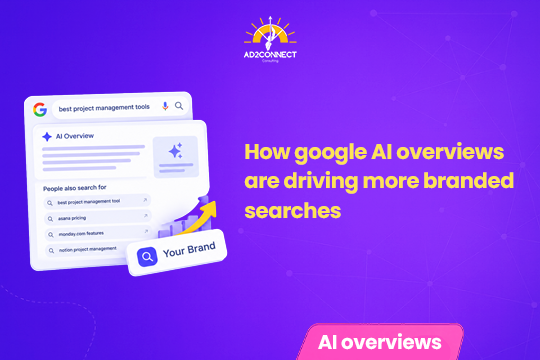
1. AI Overviews Reduced Click-Through Rates (VEO)
Search results now summarize:
- “Best AI tools”
- “What is generative AI?”
- “AI automation platforms”
Users get answers instantly. If your brand isn’t referenced or differentiated, your content becomes optional.
2. SaaS AI Content Became Generic
Most SaaS blogs relied on recycled keyword lists, AI-generated summaries, and feature-first writing. This triggered Google’s Helpful Content system, which rewards original insights (AIO), demonstrated expertise (TEO), and lived experience (LEO).
3. Behavioral SEO Signals Declined
Pages with high bounce rates, low scroll depth, and weak engagement lost ranking stability. Google increasingly uses time on page, interaction depth, and content usefulness to validate relevance.
How AI Overviews Changed SaaS Discovery
Traditional funnel:
Search ? Blog ? Demo ? Conversion
New funnel:
Search ? AI Answer ? Brand Trust ? Conversion
This favors known SaaS brands, case-driven content, comparison pages, and niche problem solvers. It punishes generic explainers, “Top 10 tools” posts, and thin affiliate-style pages.
What This Means for SaaS AI Marketers
Traffic volume matters less than intent quality.
Old keyword strategy:
- “AI tools”
- “best automation software”
New intent strategy:
- “AI tools for legal document review”
- “CRM with built-in AI forecasting”
Shift focus to bottom-of-funnel (BOFU) queries, industry-specific searches, and comparison or alternatives content.
Recovery Strategy: What Works Now
1. Build Intent Clusters (AIO + CIO)
Organize content by job-to-be-done, workflow, and industry.
- AI for HR onboarding
- AI retention analytics
- AI performance tracking
2. Strengthen Trust Signals (TEO + LEO)
Add author credentials, case studies, screenshots, and real usage data. Replace generic claims with measurable outcomes.
3. Optimize for AI Overviews (VEO)
| Old SEO | Modern SEO |
|---|---|
| Keyword focus | Intent focus |
| Generic blog | Use-case guide |
| Traffic KPI | Conversion KPI |
4. Conversion-First SEO (CRO + MEO)
Improve page speed, mobile layout, CTA placement, and demo flows. Traffic is smaller—but more valuable.
Conclusion
The truth about the 53% decline in SaaS AI traffic is not that SEO failed—it’s that generic strategies expired.
Search now rewards trust, relevance, experience, and conversion value. SaaS companies that adapt to AIO, VEO, TEO, CRO, SMO, and CIO will not just recover traffic—they will attract better users.