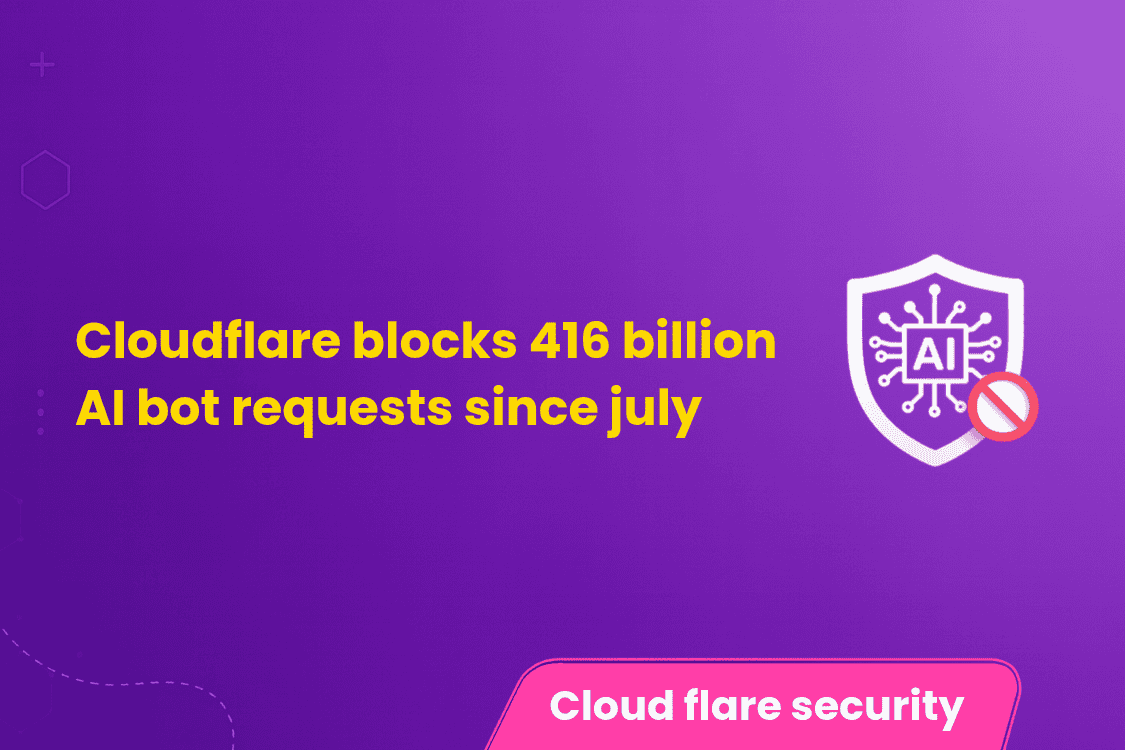
Cloudflare Blocks 416 Billion AI Bot Requests Since July — What Businesses Need to Know
Introduction
This post explains what that number means for website performance, security, and online reputation — especially for businesses in Mumbai and other Indian metros. Short, clear, and ready for quick answers.
What Did Cloudflare Discover About AI Bot Traffic?
Cloudflare’s analysis shows a major increase in AI-driven scraping requests targeting public web content. The company blocked an estimated 416 billion requests over a few months.
- AI bots tried to collect text, code, images and metadata at scale.
- Cloudflare enhanced bot detection and blocking rules to stop many requests.
- Unchecked scraping can cause downtime, content duplication, and security exposure.
For Mumbai businesses, this means a higher need for active bot defenses and SEO monitoring.
How AI Bot Scraping Impacts Businesses (With Examples & Stats)
AI scraping can be both accidental and malicious. Either way, impacts are real.
- Content theft & duplication: Scraped content can appear elsewhere and harm search rankings.
- Increased server load: High-volume requests increase hosting costs and slow page loads.
- SEO disruption: Crawl anomalies and duplicate pages can lower visibility.
- Data privacy risks: Sensitive content may be exposed if access is not restricted.
How to Protect Your Website From AI Bots
use layered protection — bot management, rate limits, and monitoring.
Strengthen Bot Management Controls
Implement advanced bot detection tools that identify AI-like request patterns.
Enable Rate Limiting
Set thresholds so a single IP, ASN, or region cannot overwhelm your server.
Deploy JavaScript Challenges
Many scraping tools cannot fully render JS; challenges help block scripted crawlers.
Monitor Traffic Patterns
Watch for:
- Large spikes in pages crawled
- High bandwidth from unknown data centers
- Repeated access to API or content endpoints
External docs: Cloudflare Developer docs and security recommendations provide step-by-step setup options.
Best Practices — Practical Tips for Mumbai & India-Based Businesses
If your audience is in Mumbai, Chennai or Delhi, prioritise regional CDN edge rules and localized rate limits. Here are practical steps:
- Update firewall rules monthly and review access logs weekly.
- Protect high-value content (pricing, downloads, APIs) behind stricter rules.
- Use canonical tags and content syndication agreements to avoid duplicate content penalties.
- Work with hosting providers that offer scalable bandwidth for peak loads.
Conclusion — Stay Ahead of AI Bot Threats
Cloudflare’s 416 billion blocked requests are a clear signal: AI scraping is at scale. Protecting your site requires active monitoring, layered defenses, and SEO-aware content strategies.
Ready to secure your site? Schedule a website audit and security-first SEO plan with our team.