
Automated Traffic Growing 8x Faster Than Human Traffic – SEO Risks & Opportunities
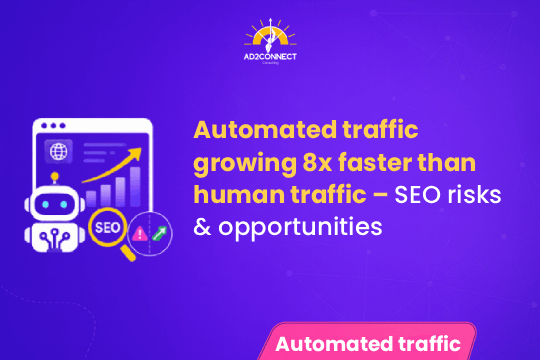
The digital ecosystem is evolving rapidly, and one of the biggest shifts is that automated traffic growing faster than human traffic is now a reality. Recent reports show that automated traffic is increasing nearly eight times faster than human-generated traffic.
This surge is driven by AI tools, bots, and automated systems interacting with websites at scale. While some of this traffic is beneficial, such as search engine crawlers, a large portion creates challenges for businesses relying on accurate analytics and SEO performance.
Understanding this trend is essential for marketers and website owners who want to protect their data, improve decision-making, and stay competitive in search rankings.
Table of Contents
- What Is Automated Traffic?
- Why Automated Traffic Is Growing Rapidly
- Key Insights from Recent Reports
- Automated Traffic and SEO Impact
- Risks of Automated Traffic
- Opportunities in Automated Traffic Growth
- Impact on Website Analytics
- How to Detect Bot Traffic
- Best Practices to Manage Automated Traffic
- Common Mistakes to Avoid
- FAQs
- Conclusion
What Is Automated Traffic?
Automated traffic refers to visits generated by bots, scripts, or software programs instead of real human users. These bots perform tasks such as indexing websites, collecting data, or executing automated actions.
Types of Automated Traffic
- Search engine crawlers like Googlebot
- AI data collection bots
- SEO and monitoring tools
- Malicious bots generating fake traffic
Not all automated traffic is harmful, but its rapid growth makes it harder to manage effectively.
Why Automated Traffic Is Growing Rapidly
Explosion of AI Technologies
AI tools and machine learning systems are increasing automated interactions across websites.
High Demand for Data
Businesses rely on data collection, leading to more bots scraping and analyzing content.
Automation in SEO and Marketing
Tools for tracking rankings and auditing websites contribute to bot traffic growth.
Rise in Cyber Threats
Malicious bots are used for hacking attempts and traffic manipulation.
Key Insights from Recent Reports
- Automated traffic is growing 8 times faster than human traffic
- A large portion of web traffic is bot-driven
- Many websites are unaware of non-human traffic levels
- Bots are becoming more advanced and harder to detect
Automated Traffic Growing Faster Than Human Traffic and SEO
The rise of automated traffic directly affects SEO performance and data accuracy.
Positive SEO Effects
- Faster indexing by search engine bots
- Improved content discovery
- Better technical SEO insights
Negative SEO Effects
- Distorted engagement metrics
- Increased server load
- Difficulty measuring real user behavior
Risks of Automated Traffic
Skewed Analytics Data
Fake traffic inflates page views and sessions, leading to inaccurate insights.
Lower Conversion Rates
Bots do not convert, reducing performance metrics.
Security Risks
Malicious bots can exploit vulnerabilities in your website.
Higher Server Costs
Excessive bot traffic can increase hosting and infrastructure expenses.
Opportunities in Automated Traffic Growth
Improved Crawl Visibility
Search engine bots help content get indexed faster.
Competitive Insights
Data collection bots can provide valuable market insights.
Better Optimization
Analyzing bot behavior can improve site performance.
Advanced Data Strategies
Understanding traffic patterns enables smarter decisions.
Impact on Website Analytics
Inflated Traffic Numbers
Analytics may show increased visits that are not from real users.
Misleading Engagement Metrics
High bounce rates and low session times can be caused by bots.
Poor Decision-Making
Incorrect data leads to ineffective marketing strategies.
How to Detect Bot Traffic
Analyze Traffic Patterns
Look for sudden spikes or unusual traffic sources.
Check User Behavior
- Very short session durations
- No interaction
- Repetitive actions
Use Analytics Tools
Enable bot filtering and analyze server logs for suspicious activity.
Best Practices to Manage Automated Traffic
- Enable bot filtering in analytics tools
- Use web application firewalls
- Implement CAPTCHA systems
- Monitor server logs regularly
- Optimize site structure for search crawlers
Common Mistakes to Avoid
- Ignoring bot traffic in analytics
- Treating all traffic as human traffic
- Blocking all bots including useful ones
- Not updating security systems
- Relying on inaccurate data
Conclusion
The trend of automated traffic growing faster than human traffic is reshaping SEO and digital analytics. While it introduces risks like inaccurate data and security concerns, it also offers opportunities for smarter optimization.
By understanding and managing automated traffic effectively, businesses can protect their data, improve decision-making, and stay ahead in the evolving digital landscape.