
European probe on Google and publishers: How it reshapes SEO, AI search, and content ownership
Search is evolving rapidly. This time, the change isn’t coming from an algorithm update but from regulation.
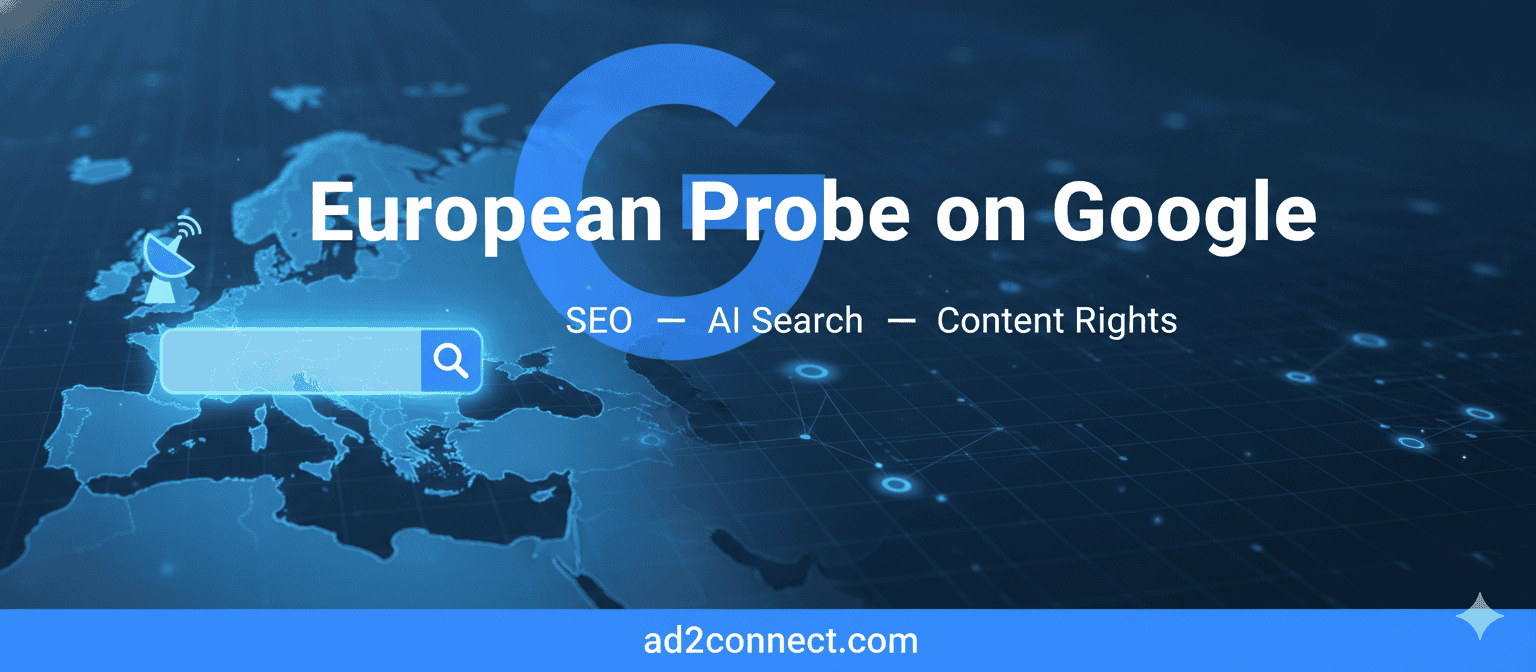
The ongoing EU probe on Google and publishers questions how search engines use third-party content to generate AI-powered answers. For SEO professionals, publishers, and brands, this investigation could redefine content ownership, visibility, and traffic models.
In this blog, we break down what the probe means for SEO strategy, AI search results, and publisher rights, and why businesses in Mumbai and across India should start preparing now.
What triggered the EU probe into Google and publisher content
European regulators are examining whether Google gains an unfair advantage by using publisher-created content to power:
- AI-generated answers and overviews
- Featured snippets and summaries
- Zero-click search experiences
Publishers argue that while their content fuels AI results, organic traffic and monetization opportunities continue to decline.
From an SEO standpoint, the concern is clear: when Google answers the question itself, the content creator often loses visibility.
How AI-powered search is disrupting traditional SEO
AI-driven answers are changing how users interact with search results.
The SEO impact so far
- Reduced click-through rates on organic listings
- Increased zero-click searches
- Lower visibility for long-form informational content
If the EU enforces stricter content usage rules, SEO may shift again—this time toward attribution, licensing, and consent-based visibility.
Why this matters for Mumbai and India-based brands
In competitive markets like Mumbai, organic visibility is already difficult to earn. AI answers compress the funnel even further.
Brands with strong local authority, entity signals, and trust are more likely to remain visible as AI search evolves.
Content ownership, attribution, and publisher rights
The probe highlights a growing concern around who benefits from content in an AI-first search ecosystem.
Key issues raised by publishers
- Content used without explicit permission
- No clear compensation or revenue-sharing model
- Loss of control over summaries and tone
- Declining referral traffic from search
While news publishers are most vocal, this issue affects blogs, SaaS companies, and service-based businesses as well.
Authoritative reporting by industry publications and EU regulators suggests this case could set global precedents for AI and search.
What SEO teams should do before regulations change
Waiting for formal policy updates is risky. Forward-thinking SEO teams are already adapting.
- Create original, experience-driven content
- Strengthen E-E-A-T with real authors and credentials
- Optimize for brand search and entity recognition
- Use structured data to clarify content ownership
- Build topical authority instead of isolated pages
Brands aligning with these principles are better positioned for both AI Overviews and traditional rankings.
Conclusion — SEO is shifting from clicks to credibility
The EU probe on Google and publishers signals a deeper transformation. SEO is no longer just about rankings—it’s about recognition, trust, and content rights.
As AI answers grow, brands with clear authority, original insights, and strong digital identities will remain competitive.
Now is the time to rethink content strategy—before regulations force the change.
Build SEO that survives AI, regulation, and the next wave of search evolution.