How Digital Marketing Agencies Are Adapting to AI Search in 2026
Search Is No Longer Just About Rankings
Search has entered a new era. With the rise of AI-powered search experiences such as Google AI Overviews, Bing Copilot, and conversational discovery platforms, users are no longer relying solely on traditional search results.
Instead of scrolling through links, users now receive AI-generated answers that synthesize information from multiple trusted sources. This shift is fundamentally changing how visibility is earned online.
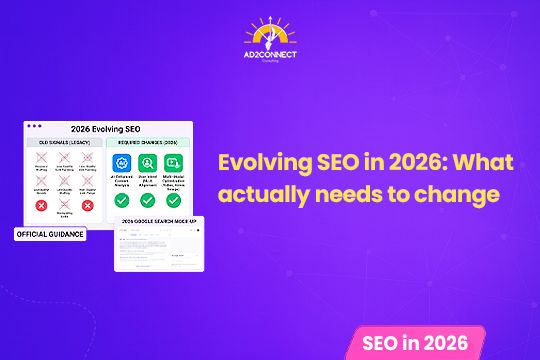
For digital marketing agencies, traditional SEO tactics alone are no longer enough. Success today depends on authority, structure, credibility, and AI-readability. This guide explains how digital marketing agencies are adapting to AI search and how these changes are shaping strategy in 2025 and beyond.
What Is AI Search and Why It Changes Everything
AI search uses large language models to understand intent, context, and meaning behind user queries. Rather than matching keywords, AI search systems generate responses by analyzing entities, topics, and trust signals across the web.
Key characteristics of AI search include conversational responses, context-aware understanding, entity-based ranking signals, and reduced dependence on exact keyword matches. For agencies, this means optimization is no longer just about ranking pages, but about being selected, cited, and trusted by AI systems.
How Digital Marketing Agencies Are Adapting to AI Search
Moving From Keywords to Entity and Topic Authority
Agencies are shifting away from keyword-first SEO toward entity-based optimization. Instead of targeting isolated search terms, agencies now focus on building topical authority around industries, services, brands, and expertise.
This approach helps AI systems understand who a brand is, what it specializes in, and why its content should be referenced. Strong entity signals increase the likelihood of being included in AI-generated summaries rather than just appearing in traditional search results.
Structuring Content for AI Readability and Human Value
AI search prioritizes content that is easy to parse, summarize, and validate. Agencies are adapting by creating content that is clearly structured with descriptive headings, short paragraphs, and direct answers to user questions.
At the same time, content must still feel human. Agencies are investing more in original insights, expert commentary, and real-world examples. These elements align with Google’s Helpful Content and EEAT guidelines and improve trust with both users and AI systems.
Optimizing Specifically for Google AI Overviews
Appearing in Google AI Overviews requires a different optimization mindset. Instead of focusing solely on click-through rates, agencies now optimize for answer relevance, contextual completeness, and credibility.
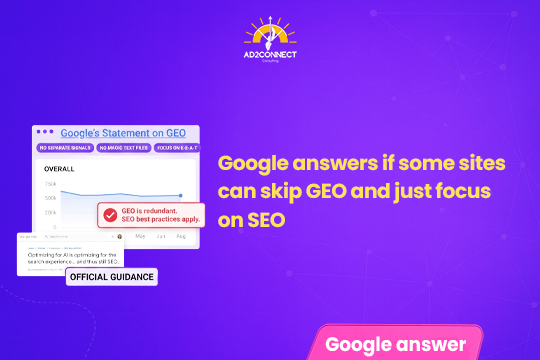
This includes writing content that directly addresses common questions, using natural language, and reinforcing brand authority across multiple trusted platforms. This practice is often referred to as Generative Engine Optimization, or GEO.
Strengthening EEAT Signals Across Content
Experience, Expertise, Authority, and Trustworthiness have become central to AI search visibility. Agencies are strengthening EEAT signals by adding author credentials, publishing first-hand experience, updating content regularly, and maintaining consistent brand information across the web.
AI systems are more likely to reference content that demonstrates real-world expertise rather than generic or purely informational articles.
Integrating UX, CRO, and Behavioral SEO
User experience has become a critical ranking and selection factor in AI search. Agencies are investing in mobile-first design, fast load times, accessibility compliance, and clear content hierarchy.
Positive engagement signals such as time on page, scroll depth, and interaction help reinforce trust and improve the likelihood that AI systems will continue to surface a brand’s content.
Expanding Beyond Traditional SEO Services
Modern agencies are expanding their services beyond traditional SEO to include AI Optimization, Voice Engine Optimization, Topic Engine Optimization, Search and Social Optimization, Content Intelligence Optimization, and Multimodal Experience Optimization.
AI search rewards holistic digital authority rather than isolated tactics, making integrated strategies essential for long-term success.
Interactive Self-Assessment: Is Your Content AI-Ready?
Use the following questions to evaluate your current AI search readiness:
- Does your content clearly answer specific user questions?
- Is your expertise visible and supported by real experience?
- Are headings descriptive and intent-driven?
- Do you cover topics comprehensively rather than superficially?
- Is your website fast, mobile-friendly, and accessible?
- Is your brand mentioned consistently across trusted platforms?
If you answered “no” to more than two questions, your content may struggle in AI-driven search environments.
Why Trust This Guide
This guide is written by digital marketing professionals actively working with SEO, AI search optimization, and enterprise content strategies. The insights reflect real-world agency adaptations and are aligned with current Google documentation and industry best practices.
Conclusion: AI Search Rewards Value, Not Shortcuts
AI search represents the evolution of SEO, not its end. Digital marketing agencies that prioritize authority, clarity, user experience, and AI-friendly structure are already gaining stronger visibility and higher-quality leads.
Agencies that adapt now will define how brands are discovered in an AI-first search ecosystem.