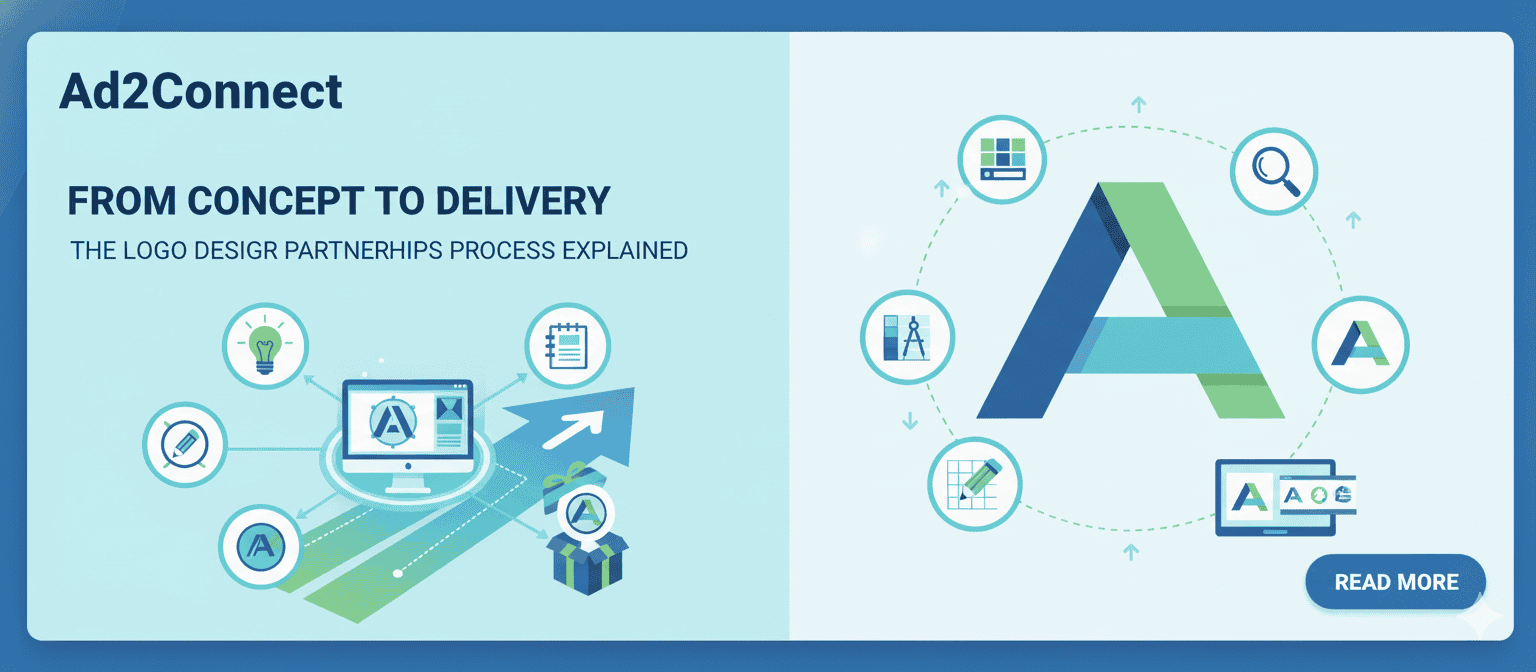
From Concept to Delivery: The Logo Design Process Explained
A Complete Guide to the Logo Design Process for Indian Brands
A strong logo is more than a visual element—it is the face of your brand. It builds the first impression, communicates your identity, and becomes the foundation for how customers remember you. While most businesses understand the importance of a good logo, many do not know how a powerful, long-lasting logo is created.
This guide explains the complete logo design process that expert Mumbai designers follow—from the first concept to final delivery. Whether you’re launching a new business or rebranding an existing one, understanding this step-by-step process helps you make informed decisions and invest wisely in your brand’s identity.
1. Laying the Foundation: Research, Strategy & Brand Discovery
Every effective logo begins with clarity and research. This early stage—often called the discovery phase—is where designers and strategists gather essential information to understand your brand deeply.
Key activities in this stage include:
- Understanding your brand’s mission, values, and purpose
- Identifying your target audience and their preferences
- Creating a clear brand personality (modern, bold, minimal, premium, playful, etc.)
- Researching competitors in the industry
- Identifying what makes your brand unique
- Defining the brand message that the logo should visually communicate
Top agencies offering professional logo design in India focus heavily on this stage because it ensures the logo is not just attractive but meaningful and strategic. Mood boards, colour inspirations, visual references, and design directions also begin to take shape here. These elements guide the creative direction and help avoid guesswork later in the process.
2. Concept Creation: Sketching Ideas and Exploring Possibilities
Once the direction is established, the creative work begins. Designers start sketching and exploring multiple ideas—sometimes dozens—until solid concepts emerge.
This stage includes:
- Sketching rough ideas on paper or digitally
- Exploring symbol-based, typography-based, or combination mark styles
- Experimenting with shapes, initials, icons, and negative space
- Identifying which concepts best represent the brand story
The goal is not to perfect the design in one attempt but to explore a wide range of possibilities. The logo design process Mumbai agencies follow focuses on this exploration to ensure the final identity feels original, balanced, and relevant.
3. Digital Development: Turning Ideas into Refined Concepts
After selecting the strongest sketch concepts, designers convert them into digital designs using professional tools.
During this stage, designers create:
- Multiple digital variations
- Colour and monochrome versions
- Typography options
- Shape and spacing adjustments
- Layout variations (horizontal, vertical, icon-only, etc.)
Clients are then presented with a curated set of concepts. This step requires collaboration—feedback helps refine the direction further. A professional logo design company in India maintains transparent communication to ensure the logo aligns with expectations and long-term vision.
4. Refinement: Perfecting Every Detail
Once the preferred concept is chosen, the refinement phase begins. This stage focuses on polishing the design to ensure it is visually balanced, professional, and future-proof.
Refinements include:
- Adjusting spacing, alignment, and symmetry
- Fine-tuning shapes and curves
- Testing colours and contrast
- Ensuring readability at all sizes
- Checking meaning and symbolism
- Evaluating the logo on various backgrounds
This precision is what elevates a design from good to unforgettable.
5. Finalisation: Preparing Deliverables, Formats & Brand Guidelines
When the final logo is approved, designers prepare all essential deliverables to ensure your brand identity works across platforms and media types.
Common deliverables include:
- High-resolution logo files
- Scalable vector files (AI, EPS, SVG)
- Web-ready files (PNG, JPG, PDF)
- Colour codes (RGB, CMYK, HEX)
- Logo variations (full, minimal, light, dark, monochrome)
- Font files and usage rights
- Logo usage guidelines
The best Mumbai design agencies also test the final logo in real-world applications such as websites, packaging, merchandise, mobile screens, and signage. This ensures your logo remains strong, readable, and consistent in every use-case.
Conclusion
A powerful logo is created through a structured process involving research, creativity, revisions, and visual strategy. By understanding the complete logo design process followed by leading Mumbai designers, you can make confident decisions and ensure your brand investment pays off.